Root Intrusion Removal in Suffolk County, NY - Protect Your Pipes for Good
The drain backed up again. You had it cleared. It came back. Tree roots in the sewer line are one of the most common — and most misdiagnosed — causes of recurring drain problems on Long Island.
Suffolk Drain & Sewer removes tree root intrusion from drain and sewer lines for homes and businesses across all of Suffolk County. We locate the roots, clear them the right way, and tell you whether the pipe needs follow-up repair or prevention treatment.
Why Tree Roots Get Into Sewer Lines — And Why It Keeps Happening
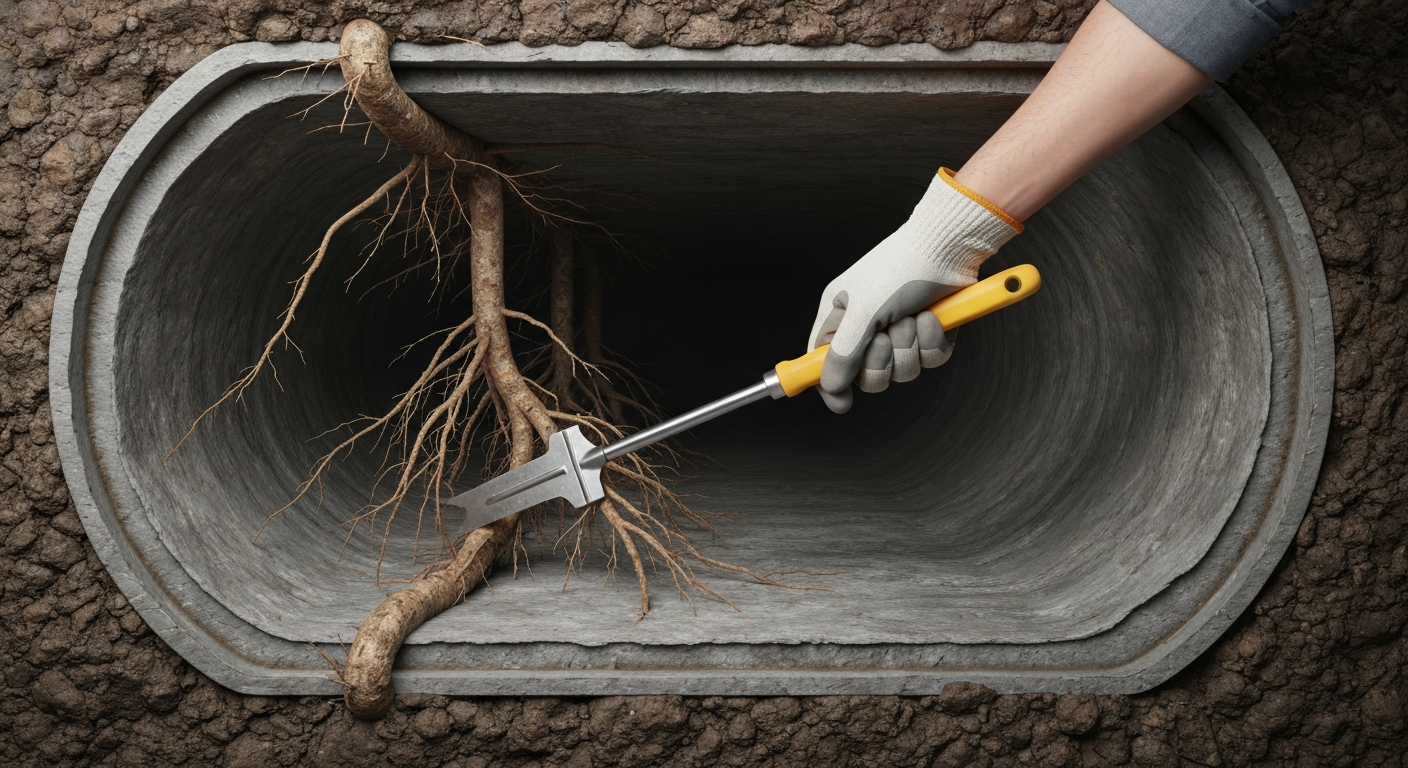
Tree roots follow moisture. Buried sewer lines — especially older clay, cast iron, or Orangeburg pipes common in Suffolk County homes — develop small cracks and joint separations over time. Those gaps release moisture and warm air into the surrounding soil. Tree roots sense that, grow toward it, and work their way inside.
Once a root finds an opening, it doesn't stop. Inside the pipe, roots have everything they need — warmth, moisture, nutrients — and they grow. What starts as a small root tip becomes a branching mass that catches toilet paper, grease, and debris on every flush. The result is a drain that slows, backs up, gets cleared, and then backs up again within weeks or months. Each time it's snaked, the snake punches through the root mass without removing it. The problem is still there.
Root intrusion is especially common in Suffolk County for a few reasons. Long Island's sandy soil allows roots to travel further from the base of the tree. The large number of older homes — many built in the 1940s through 1970s — means more clay and Orangeburg pipe in the ground. And because most of Suffolk County runs on cesspools and septic systems with long private sewer laterals crossing the yard, there's simply more buried pipe exposed to root pressure.
The fix starts with knowing what's actually inside the pipe. A sewer camera inspection shows us exactly where the roots are, how extensive the intrusion is, and whether the pipe wall has been damaged. From there we choose the right removal method — and tell you if the pipe needs repair or a long-term prevention approach.
Signs Tree Roots May Be in Your Sewer Line
Root intrusion rarely announces itself clearly. These are the patterns that point to roots rather than a simple clog.
Note: A mechanical snake can push through a root mass and temporarily restore flow — but it doesn't remove the roots. Hydro jetting cuts through roots more aggressively and flushes the debris out. A camera inspection afterward confirms how much root material remains and whether the pipe wall was damaged. We walk you through all three steps when root intrusion is involved.
Tired of the same backup coming back? Let us find the cause.
Get Your Free EstimateHow We Handle Root Intrusion — Our Process
Step 1 — Camera Inspection First
We run a video camera through the line to confirm root intrusion, identify the location and extent, assess the condition of the pipe wall, and determine whether roots have caused structural damage. You see what the camera sees.
Step 2 — Removing the Roots
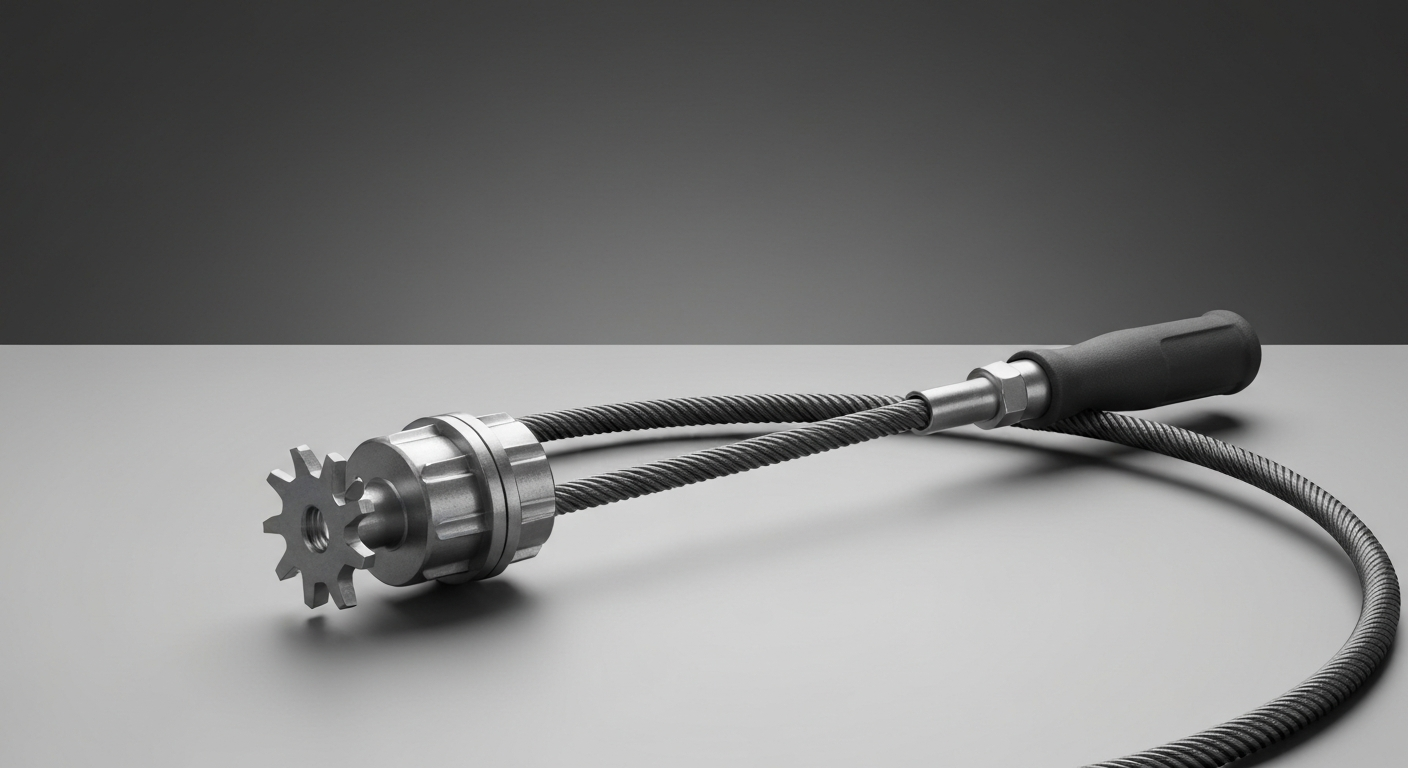
For moderate root intrusion, high-pressure hydro jetting is the most effective removal method, typically run at 3,000 to 4,000 PSI for root removal specifically, higher than standard jetting since it needs to cut through both thick roots and the fine root hairs clinging to the pipe wall that a mechanical cutter alone can miss. For heavy intrusion or hard root material, we may use a mechanical root cutter, a rotating cutting head fed through the line on a cable, before jetting to break up the mass first. A cutter alone restores flow quickly but tends to leave root stubs at the entry point, which is part of why jetting afterward matters, not just cutting.
Step 3 — Post-Removal Camera Pass
After clearing, we run the camera again. This confirms how much root material was removed, shows us whether the pipe wall sustained damage that needs repair, and documents the condition of the line for your records.
Step 4 — Next Steps — Repair or Prevention
If the pipe wall is intact, the cleared line may be suitable for a root inhibitor treatment, typically a foaming, copper sulfate-based product applied directly into the line, to slow future regrowth between service visits. It's a supplementary measure, not a substitute for addressing the actual entry point. If the camera shows cracking, joint damage, or deterioration, we walk you through repair options — spot repair, trenchless pipe lining, or in cases of significant damage, replacement. You get clear options and honest advice on timing.
Why Suffolk County Homeowners Call Us for Root Problems
Licensed & Insured
Every root removal job is performed by licensed, insured professionals. We work to New York State standards on every job.
We Know Long Island Pipes
Root intrusion in Suffolk County often happens in clay, cast iron, and Orangeburg pipe — materials common in older Long Island homes. We understand how these materials fail, what root damage looks like inside them, and what repair options are realistic given the pipe type and age.
Camera Before and After
We don't guess. We run the camera before we start so we know what we're dealing with. We run it again after we're done so you can see the result. That documentation also protects you if the issue recurs and you need to demonstrate prior condition.
Root Removal Is Not the Whole Answer
We treat root intrusion as a symptom as well as a problem. If roots got in, there's a gap or crack in the pipe. We tell you where that is and give you options — because clearing roots from a damaged pipe without addressing the opening is a short-term fix.
Root Intrusion Removal Across All of Suffolk County
We handle root intrusion removal throughout all of Suffolk County. Older neighborhoods in Babylon, Huntington, and Islip with mature trees and aging clay sewer lines see some of the highest rates of root intrusion on Long Island. We also serve properties throughout Brookhaven, Smithtown, Riverhead, Southampton, East Hampton, Southold, and Shelter Island — wherever roots and buried pipes cross paths.
View all service areasWhat Root Intrusion Removal Typically Costs
Root removal itself is typically priced within standard hydro-jetting ranges, generally $450 to $1,400 for a residential job, since jetting is the primary removal method. If the camera inspection shows the pipe wall was damaged by the roots, and it often is since roots enter through existing cracks or joints, repair costs come on top of that, ranging from a spot repair to full trenchless lining depending on the extent of the damage.
These are typical ranges, not a quote. Your actual cost depends on the extent of the intrusion and whether pipe repair is needed.
Get Your Free EstimateSelden, Brookhaven
The Problem
A homeowner with several mature trees near the property line noticed the toilet gurgling whenever the shower ran, along with slow drainage throughout the house — classic signs of a main line restriction.
The Diagnosis
A camera inspection found a mass of fine roots entering through a separated joint in the clay pipe about 35 feet from the house, likely from a nearby tree drawn to the moisture and nutrients in the line. The pipe itself, aside from the joint, was still in reasonable condition.
The Fix
The connected specialist used a cable machine with a root-cutting head to clear the immediate blockage, then followed with a hydro-jetting pass at higher pressure to remove the finer root hairs clinging to the pipe walls that mechanical cutting alone tends to miss.
Reducing Recurrence
Because the joint itself remains open, the technician explained that roots typically find their way back in within months to a couple of years unless the joint is actually sealed — recommending the homeowner consider a spot CIPP lining at that joint as the longer-term fix, with root treatment as an interim measure to slow regrowth between now and then.
Costs vary by root density and access. This range is typical for Suffolk County and is not a quote. A free estimate from your connected professional will confirm exact pricing for your property.
Root Intrusion Removal — Frequently Asked Questions
If Roots Keep Causing Backups, Let's Find Out Why. Get a Free Estimate.
Not sure if roots are actually the cause? Start with a sewer camera inspection. If the pipe needs repair beyond root removal, see our sewer line repair and trenchless sewer repair pages for what that looks like.
Licensed & Insured · Camera Before & After · Serving All of Suffolk County